|
 |
Home Automation and |
|
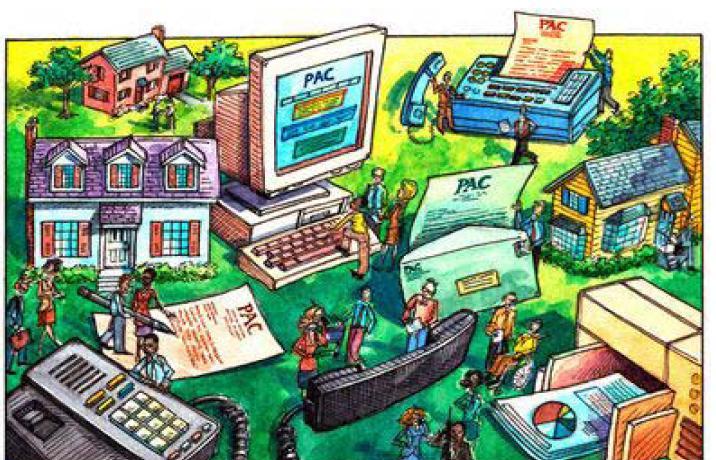
| During the PC era, the nexus of info-tech innovation was business, especially in the office. As we enter ��쐔he post-PC era,��� the nexus of innovation is shifting to the consumer, especially in the home. And this digital home is where most technological innovation will occur over the next five years in the $101 billion consumer electronics industry. |
|
|
 |
Strategy in the Era |
|
| Over the past 250 years, the pace of change has increased at an increasingly rapid rate. Few enterprises are able to offer lifetime employment anymore; not because they don��셳 want to, but because they usually don��셳 survive long enough. |
|
|
 |
Companies Learn and |
|
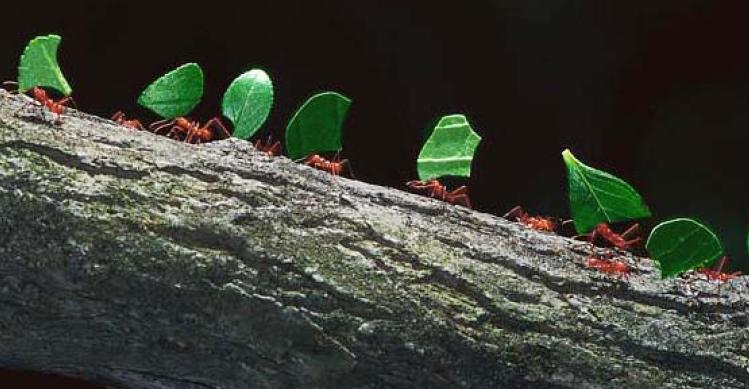
| Most organisms behave like complex adaptive systems. As their parts sense and respond to conditions outside the system that constantly change, each part interacts with and influences the other parts in the system. Ultimately, this yields new patterns of behavior for the overall system. |
|
|
 |
Hey What"s That |
|
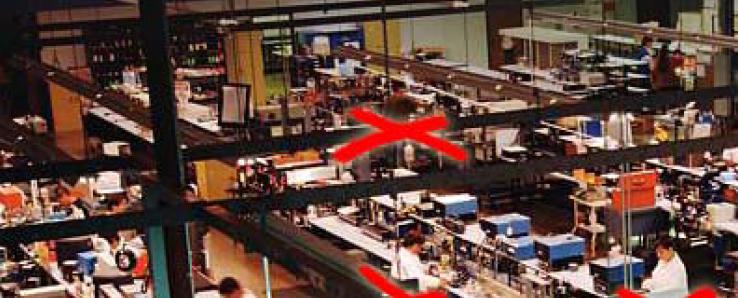
| It��셲 not the ��쐅iant sucking sound��� that Ross Perot predicted would signal the drain of millions of American jobs to Third World countries. It��셲 true that many U.S. workers in manufacturing industries have seen their jobs vanish, and that the U.S. workforce has been declining for more than three years. But the problem isn��셳 foreign competition with cheaper labor. |
|
|
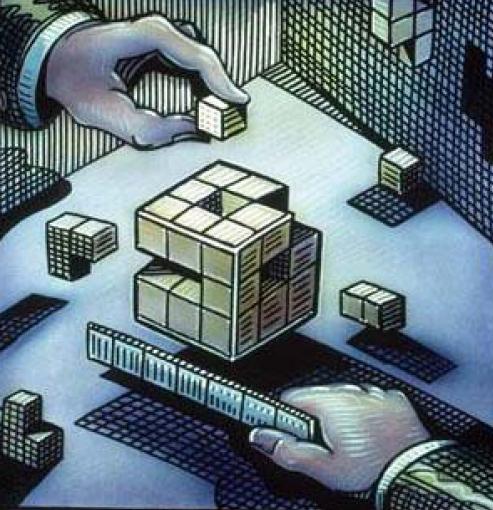 |
Co-Creation |
|
| Open innovation is not limited to using ideas from competitors and other industries. It can go as far as involving the customer in the creation of the product. In fact, some of the world��셲 top thinkers in the fields of strategy and innovation believe this trend could represent the next big wave in business. |
|
|


 [189]권

