|
 |
The Emerging Tri-Pol |
|
| Consider the big picture, as we��쫣e laid it out in previous issues of Trends:
瑗� The population of the developed world is rapidly aging.
瑗� The United States is the only advanced nation where the workforce is forecasted to grow over the next 50 years.
瑗� The populations of the EU and Japan are actually expected to shrink over that time period.
瑗� Even China is rapidly aging and the size of its workforce will peak around 2025.
瑗� At the same time, Latin America, India, the Middle East, and Africa all have young, rapidly growing populations of under-utilized workers and under-served consumers. |
|
|
 |
�떎由ъ퐯諛몃━�쓽 �떆���媛� �걹�굹怨�, �깉濡쒖슫 |
|
| 誘멸뎅 �궡 �룄�떆 �씤援ъ쓽 �쑀�엯怨� �쑀異쒖뿉 �엳�뼱 �뙣�꽩 蹂��솕媛� �씪�뼱�굹怨� �엳�떎. 肄붾줈�굹19�뒗 �씠�윭�븳 �뙣�꽩 蹂��솕瑜� �뜑�슧 媛��냽�솕�븯怨� �엳�떎. �뼱�뼡 �룄�떆��� 吏��뿭�뿉 �씤援ш�� �뒛怨�, 二쇰뒗媛�? �씠�쑀�뒗 臾댁뾿�씤媛�? �씠�윭�븳 �뙣�꽩 蹂��솕�뒗 �뼱�뼡 寃곌낵瑜� 媛��졇�삱 寃껋씤媛�? |
|
|
 |
We Are the Weather: |
|
| 저자 | Jonathan Safran Foer |
| 출판사 | Farrar, Straus and Giroux |
|
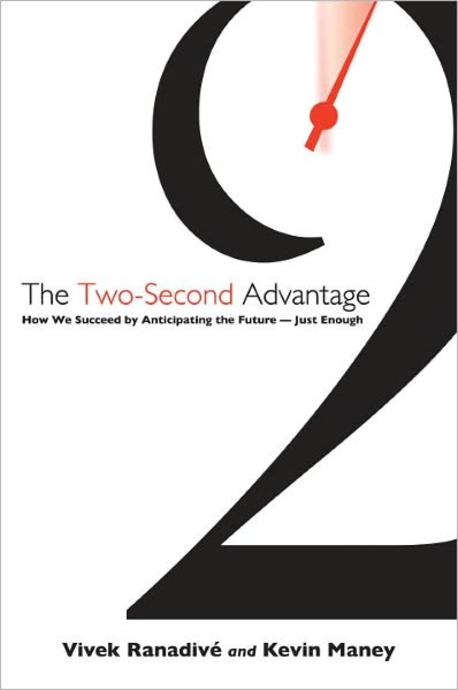 |
THE TWO-SECOND ADVAN |
|
| 저자 | Vivek Ranadive �쇅 |
| 출판사 | Crown Business |
|
 |
�씤�룄�쓽 湲됯꺽�븳 寃쎌젣�꽦�옣�쓣 蹂댁옄 |
|
| 21�꽭湲� 以묐컲�쓽 �씤�룄�뒗 ��섏젇��� �씤援р�숈�� ��섍퇋紐ⓥ��, 洹몃━怨� - �떎瑜� 媛쒕컻�룄�긽援��뱾�뿉寃뚮뒗 �뾾�뒗 – �꽑吏꾧뎅媛��뱾怨쇱쓽 ��섑샇�솚�꽦(compatibility)��숈씠 �룆�듅�븯寃� 寃고빀�맂 援�媛�媛� �맆 寃껋씠�떎. �씠�윭�븳 �룆�듅�븳 寃쎌웳�젰�쓣 �씤�룄�뒗 �뼱�뼸寃� �솢�슜�븷 �닔 �엳�쓣源�? �븵�쑝濡� 吏곷㈃�븯寃� �맆 臾몄젣濡쒕뒗 臾댁뾿�씠 �엳�쓣源�? �떎援��쟻 湲곗뾽怨� �닾�옄�옄�뱾�쓽 �엯�옣�뿉�꽌�뒗 臾댁뾿�쓣 怨좊젮�빐�빞 �븷源�? |
|
|


 [218]권

