|
 |
The Skills Gap Becom |
|
| One of the central themes that we monitor regularly at Trends is the "skills gap." This is the difference between the skills possessed by the American work force, and the skills that companies are likely to need from them. |
|
|
 |
誘멸뎅��� �쓽�궗 遺�議� �궗�깭瑜� �뼱�뼸寃� �빐寃� |
|
| �씤援� �끂�졊�솕媛� 吏꾪뻾�릺硫댁꽌 �뜑 留롮�� �쓽�궗媛� �븘�슂�븳�뜲�룄 踰좎씠遺� �꽭����뿉 �냽�븯�뒗 �쓽�궗�뱾�씠 �쟾濡� �뾾�뒗 �닔移섎줈 ����눜瑜� 以�鍮꾪븯怨� �엳�떎. �씠�윭�븳 �쓽�궗 遺�議� �궗�깭瑜� 洹밸났�븯�뒗 �뜲 �븘�슂�븳 �떆�뒪�뀥��� �븘吏� 以�鍮꾨릺吏� �븡�븯�떎. �쓽�궗 遺�議� �궗�깭 �씠硫댁뿉�뒗 臾댁뾿�씠 �엳�뒗媛�? 媛��옣 �쟻�젅�븳 �빐寃곗콉��� 臾댁뾿�씪源�? �늻媛� �듅由ъ옄媛� �릺怨� �늻媛� �뙣諛곗옄媛� �맆 寃껋씤媛�? |
|
|
 |
American Cities Shed |
|
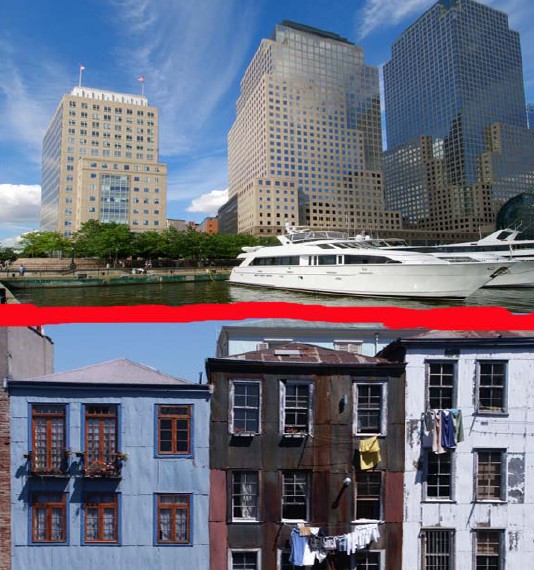
| The nation��셲 middle class is shrinking. Between 1970 and 2000, middle-class neighborhoods in the 100 largest cities in the nation dropped from 58 to 41 percent, outstripping the corresponding drop in mid-level incomes from 28 to 22 percent. While 55 percent of low-income families lived in middle-class neighborhoods in 1970, only 37 percent did in 2000. |
|
|
 |
New Tools Help Harne |
|
| If you know what a ��쐀log��� is, you��셱e in the elite minority of Americans who are aware of this key source of information and insights. Only 38 percent of all Internet users know what a blog is, according to a study by the Pew Internet & American Life Project released in January 2005.1 |
|
|
 |
��섎돱�뒪(The News)��숇뒗 �씠�쟾�쓽 |
|
| 醫낆씠 �떊臾몄씠 留� 洹몃��濡� �옉�븘吏�怨� �엳�떎. �꽕�듃�썙�겕 TV�쓽 �쁺�뼢�젰留덉���룄 �씗誘명빐吏�怨� 洹� �옄由щ�� 釉붾줈洹�, 耳��씠釉� TV, �씤�꽣�꽬 �씪�뵒�삤 諛⑹넚(talk radio)�씠 鍮꾩쭛怨� �뱾�뼱媛�怨� �엳�떎. 遺덇낵 �닔�뀈 �쟾留� �빐�룄 �돱�뒪�뒗 �냼�닔�쓽 留ㅼ껜媛� �젏�졊�븯怨� �엳�뿀�떎. �븯吏�留� �삤�뒛�궇��� �떎�뼇�븳 留ㅼ껜瑜� �넻�빐 �돱�뒪瑜� �젒�븷 �닔 �엳�떎. 紐곕씫怨� 遺��긽�쓽 怨쇱젙�뿉�꽌 �뱶�윭�굹�뒗 洹� �븿�쓽��� �쟾留앹�� 臾댁뾿�씪源�?<br> |
|
|


 [102]권

