|
 |
Genetic Algorithms A |
|
| A significant challenge in managing today��셲 enterprise is quickly and effectively choosing among a large number of complex options and alternatives with subtle trade-offs. Fortunately, new computer applications using genetic algorithms can do a much better job at making these choices than a person using traditional analytical techniques. |
|
|
 |
Companies Learn and |
|
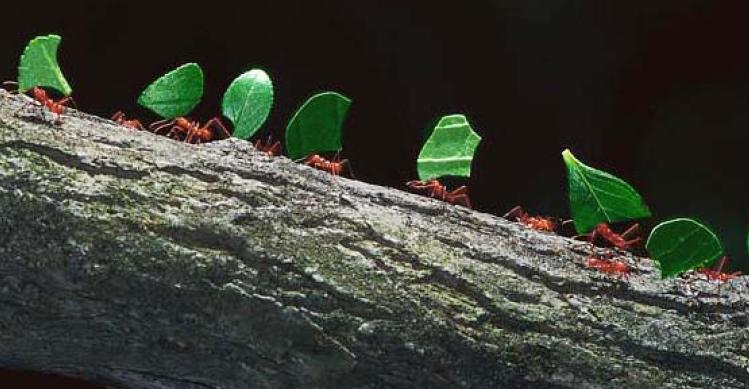
| Most organisms behave like complex adaptive systems. As their parts sense and respond to conditions outside the system that constantly change, each part interacts with and influences the other parts in the system. Ultimately, this yields new patterns of behavior for the overall system. |
|
|
 |
Companies Become Sel |
|
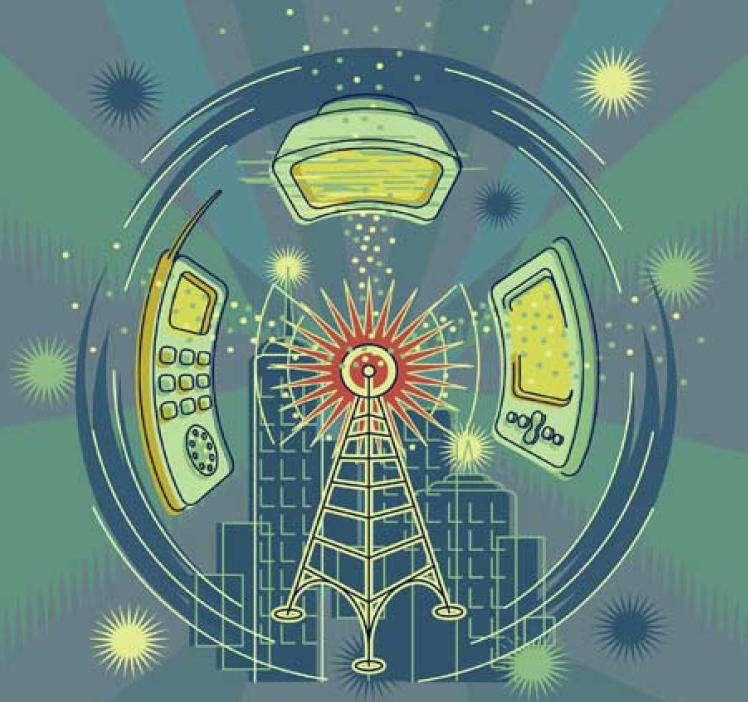
| As firms develop a peripheral nervous system composed of sensors and a central nervous system with computers that enables the firm to learn, adapt and innovate, we have to ask, ��쏦ow will those firms be organized and managed to extract the maximum value from these capabilities?��� |
|
|
 |
Conspicuous Consumpt |
|
| As of 2004, there were nearly 9 million U.S. households with investable assets of $1 million or more, not counting their homes and tax-advantaged retirement accounts. |
|
|
 |
Businesses Get a "Se |
|
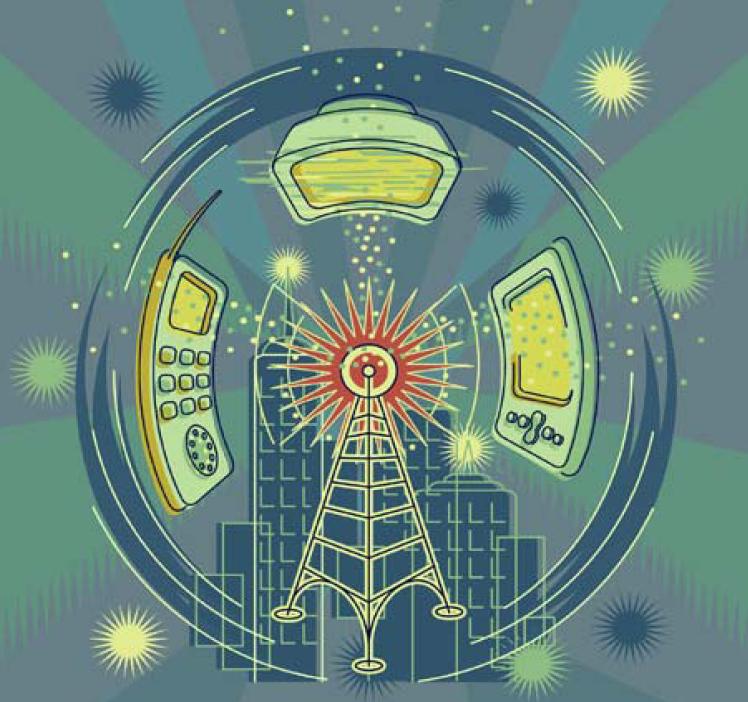
| Like animals, companies have always monitored changes in their environments. Historically, companies have moved slowly in response to changes. For example, if a retailer��셲 sales of red sweaters outpaced sales of green sweaters during the Christmas shopping season, the results would not be noticed until months later. By the time the retailer could react, the holiday season was over, and the insights might not be relevant to the following year. |
|
|


 [422]권

